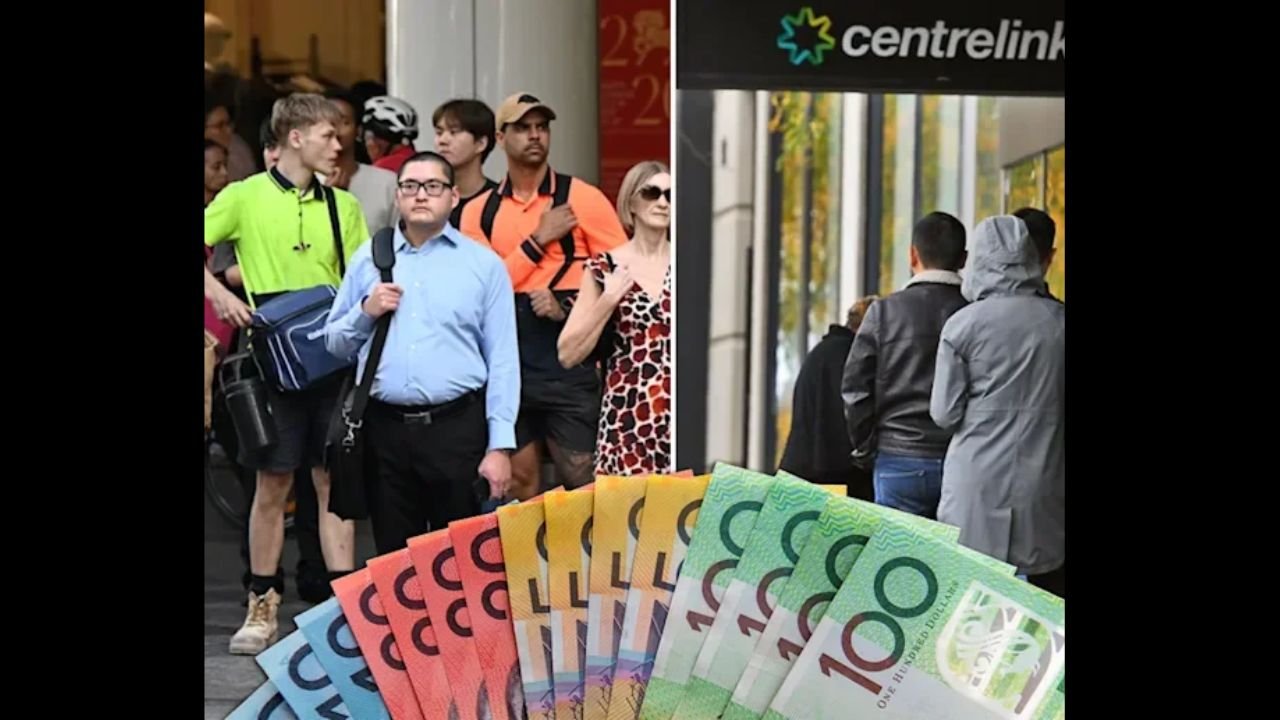
Millions of Australians could receive more than $1,000 in annual financial relief under a major tax reform proposal from the Australian Greens. The party wants to increase the income tax-free threshold from $18,200 to $26,000 while delivering an additional $1,000 a year to eligible pensioners and Centrelink income support recipients.
The proposal forms part of a $22 billion annual economic package announced by Greens leader David Shoebridge on October 28, 2026, aimed at easing financial pressure on workers, retirees and people relying on government assistance.
Tax-Free Threshold
The Greens are pushing for a substantial increase in the amount Australians can earn before paying income tax.
Under the proposal, the tax-free threshold would rise by $7,800, from $18,200 to $26,000.
This would allow workers to keep more of their earnings without paying income tax on the first $26,000.
The party estimates that Australians earning more than $45,000 annually could receive an additional $1,092 each year, equivalent to approximately $42 per fortnight.
For households struggling with groceries, electricity bills, insurance and housing costs, the proposed savings could provide some additional breathing room.
However, the change remains a political proposal and has not been implemented.
Centrelink Boost
The Greens also want people receiving government income support to benefit from the economic package.
Under the plan, eligible recipients would receive an additional $1,000 annually, rather than relying solely on income tax reductions that may provide little benefit to people with low taxable incomes.
The proposed increase would cover people receiving income support, including pensioners and JobSeeker recipients.
If distributed evenly throughout the year, the extra payment would be worth approximately $38.46 per fortnight.
This could provide additional support for Australians who depend on Centrelink payments to cover essential living expenses.
The proposal has not established a confirmed payment commencement date, and recipients should not expect an automatic increase under current arrangements.
Who Benefits?
The proposed package is designed to provide financial relief across different income groups.
Workers earning above the relevant tax threshold would benefit from paying less personal income tax, while eligible income support recipients would receive an additional annual payment.
The Greens argue that extending support to both groups would prevent people outside the workforce from missing out on financial assistance.
Students, unemployed Australians, retirees and people unable to work are among those the party wants its broader economic agenda to support.
However, the exact financial benefit would depend on individual income, payment eligibility and the final design of any legislation.
People receiving both taxable income and Centrelink payments would also need clarification about how the measures interact.
$22 Billion Plan
The Parliamentary Budget Office has costed the Greens’ proposed package at approximately $22 billion annually, according to the party’s announcement.
Rather than funding the measures through spending cuts, the Greens want to collect additional revenue from major corporations and resource companies.
The party argues that Australia’s natural resources should deliver greater financial returns to the wider population.
Its proposal includes introducing a 25 per cent gas export tax and a resource rent tax linked to market conditions.
The intended approach would allow government revenue to rise when commodity prices increase and resource companies generate larger profits.
The Greens maintain that these measures could fund the proposed household relief without increasing inflationary pressure.
That claim would depend on the final tax design, economic conditions and how businesses respond.
Mining Taxes
Australia’s mining and energy industries are central to the Greens’ funding strategy.
The party believes additional taxes on resource profits could provide a more reliable way to finance household assistance.
A market-linked resource tax would aim to capture greater public revenue during periods of high commodity prices.
However, such changes could face opposition from major exporters and industry organisations concerned about investment, employment and international competitiveness.
Any new tax would also require parliamentary approval before taking effect.
The Greens’ influence in the Senate could make the proposal part of future negotiations, but holding the balance of power does not guarantee the legislation will pass.
Bracket Creep
The announcement comes amid growing political debate over bracket creep, which occurs when wage increases push taxpayers into higher tax brackets or increase the proportion of their earnings paid in tax.
Inflation-driven pay rises can therefore increase income tax liabilities even when workers experience little improvement in purchasing power.
Figures highlighted by the Liberal Party suggest Australians have faced approximately $3,500 in additional annual tax due to bracket creep, based on its analysis of tax and budget data.
The Coalition has proposed indexing income tax brackets to inflation to address the issue.
Its broader approach also includes reducing expenditure on selected government programs, including renewable energy initiatives, electric vehicle subsidies and social housing.
The Greens favour increasing the tax-free threshold while raising more revenue from large corporations.
What Happens Next?
The proposed tax changes would require federal government support and the passage of legislation through Parliament.
There is currently no confirmed start date for the $26,000 tax-free threshold or the additional $1,000 Centrelink payment.
Australians should continue using existing tax thresholds and Services Australia payment rates when planning their finances.
The proposal nevertheless highlights growing pressure on political parties to address household expenses and the increasing tax burden on workers.
If adopted, the Greens’ package could deliver meaningful annual savings to many taxpayers while providing additional support to eligible pensioners and income support recipients.
For now, the $1,092 worker tax benefit and $1,000 Centrelink increase remain proposed measures, not approved payments.